
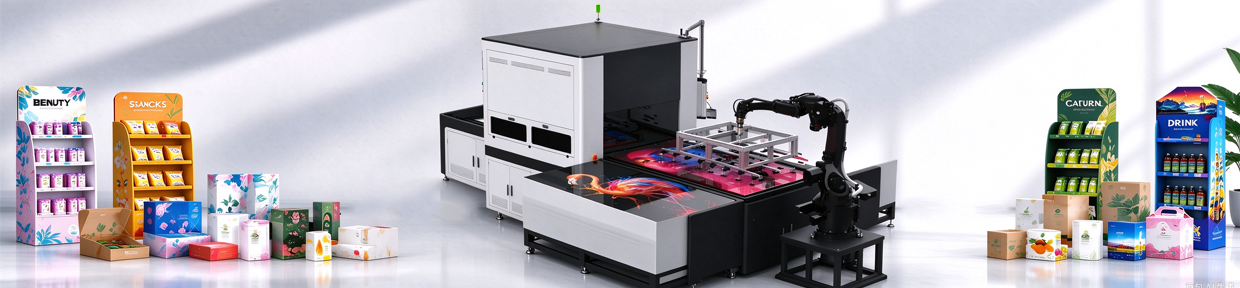
The DREAMS 120 Retail Display Printing Solution is a high-productivity UV board printing system from Xenons. This UV flatbed printer prints graphics directly onto compatible flat materials. After printing, panels can go straight to cutting, creasing, folding, gluing and assembly. Featuring direct-to-board printing, flexible artwork updates without plate changes, and integration with downstream converting workflows, it supports efficient retail display production. It delivers a 2440 × 1250 mm printing area, up to 1200 dpi resolution, configurable printhead options from 38 to 96 units, and a maximum output speed up to 600 m²/h.
Support different products, retailers, and promotional campaigns.
Adapt to seasonal promotions and changing delivery schedules.
Print graphics for display panels and promotional structures.
Evaluate printing speed, material use, labor, and finishing costs together.
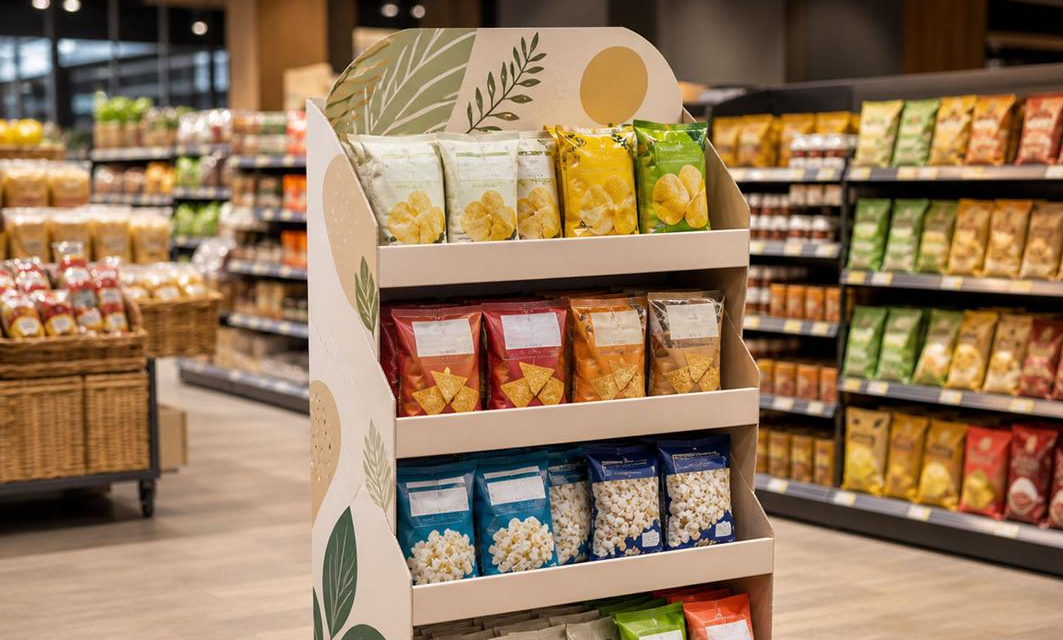
Large branded displays for product launches and promotions.

Compact displays for checkout counters and promotional products.
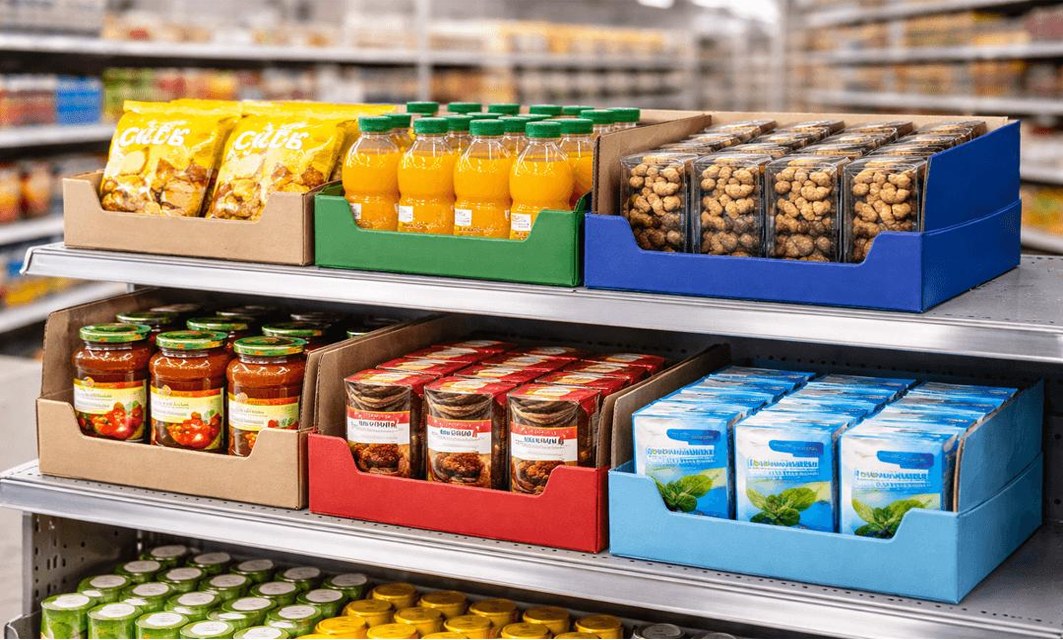
Printed packaging designed for retail shelf presentation.
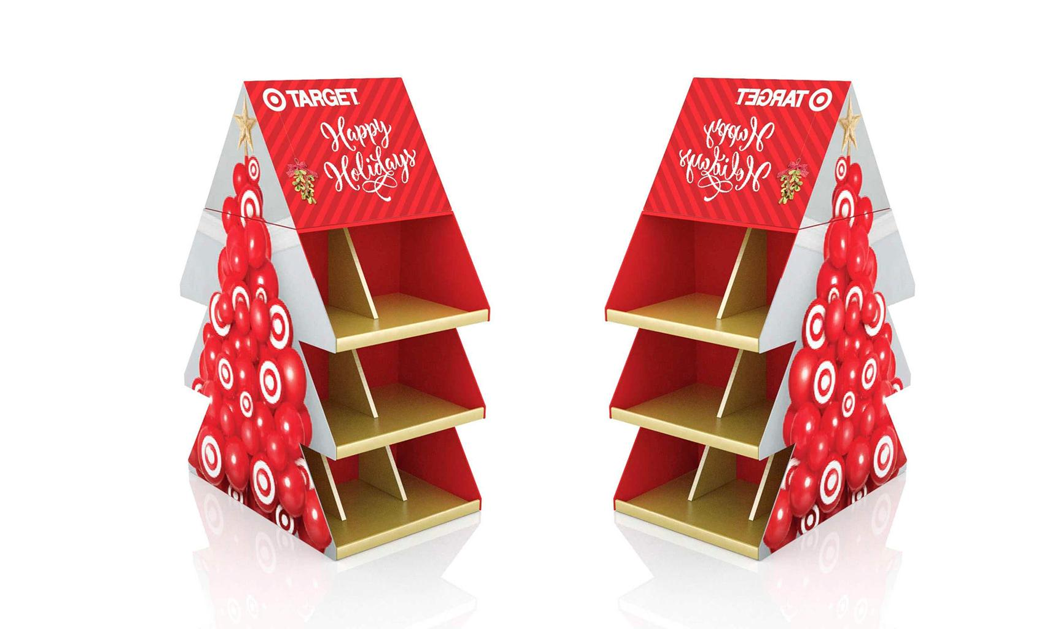
Campaign-specific graphics for holidays and limited editions.

Consistent brand graphics across products and retail channels.
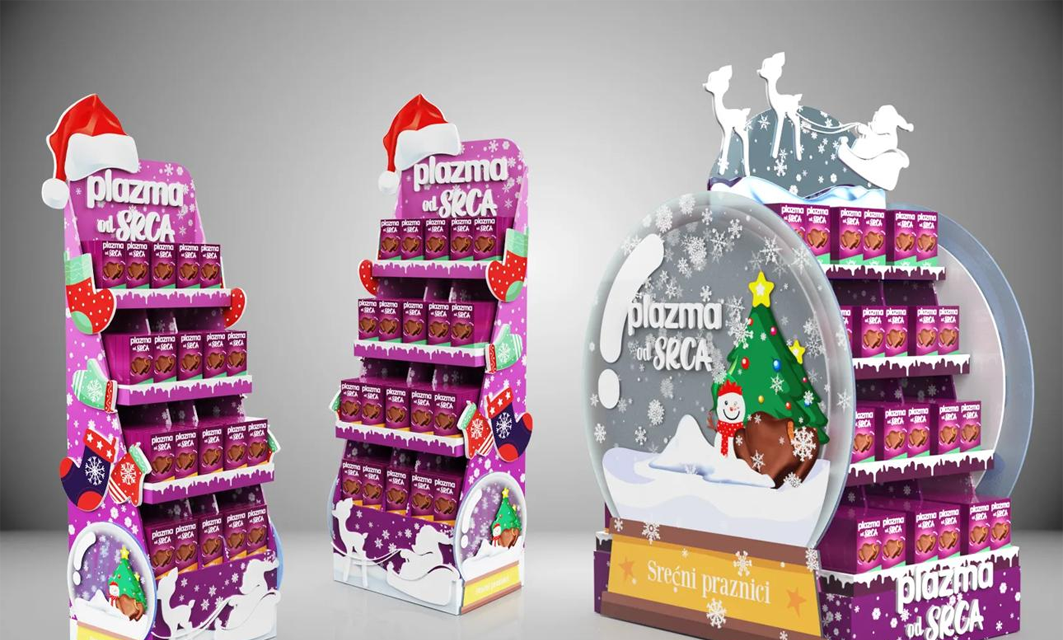
Customized graphics for point-of-purchase and point-of-sale promotions.
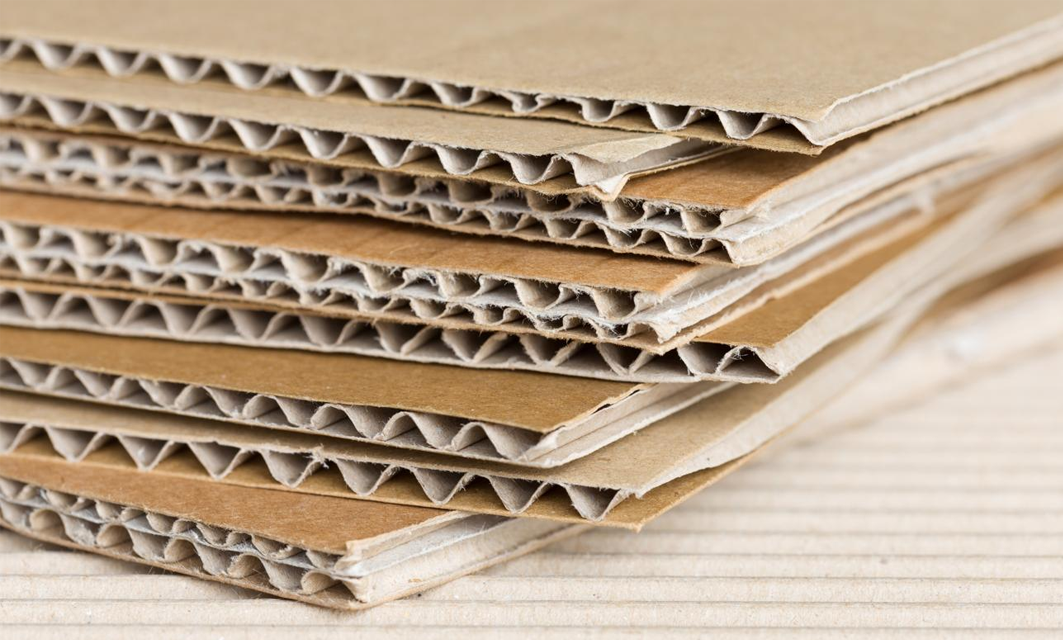
For suitable corrugated display panels and packaging structures.
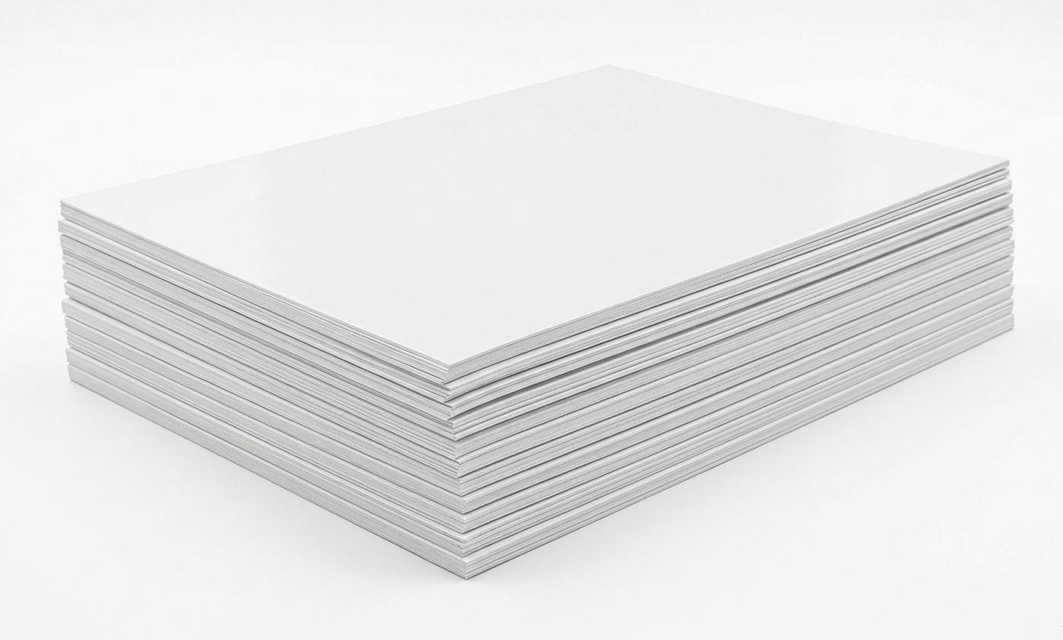
For folding displays, cartons and other paperboard applications.
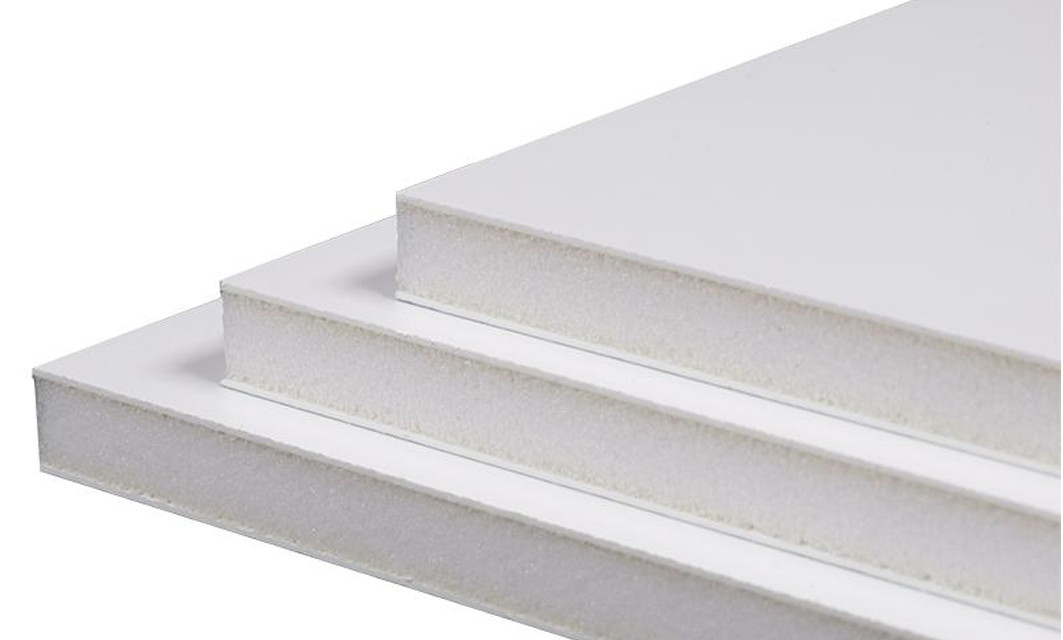
Evaluate surface compatibility, adhesion and panel flatness.
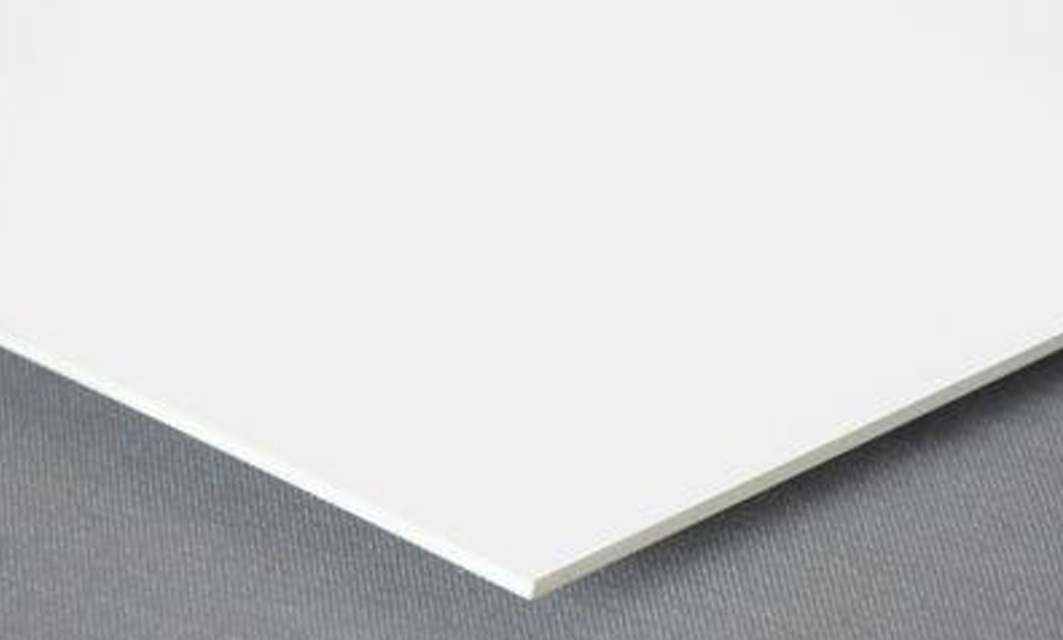
Confirm material compatibility and print adhesion before production.
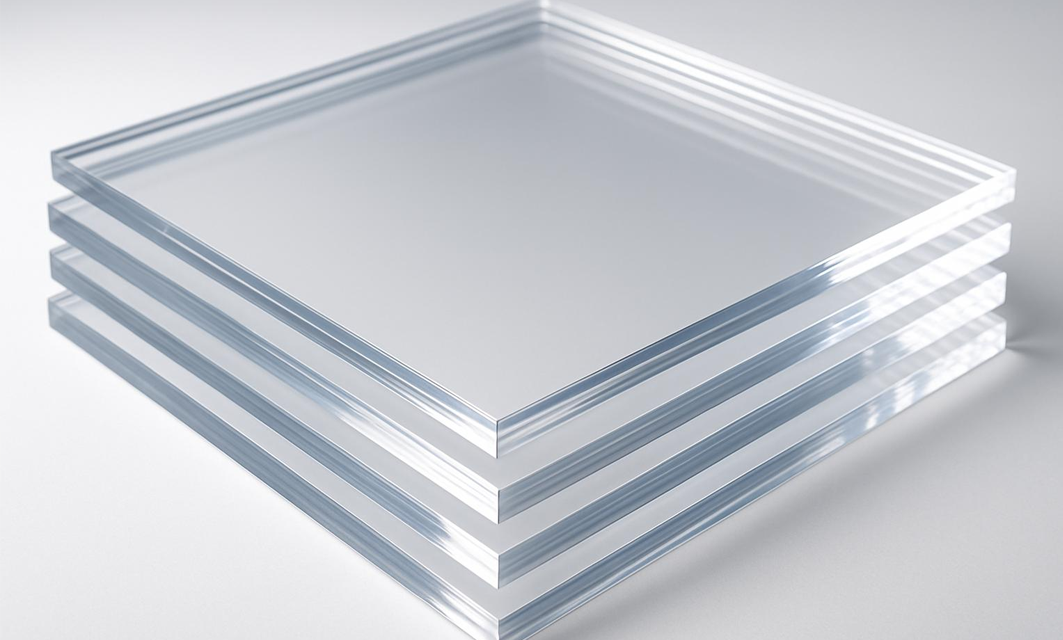
Test surface treatment, ink adhesion and handling requirements.
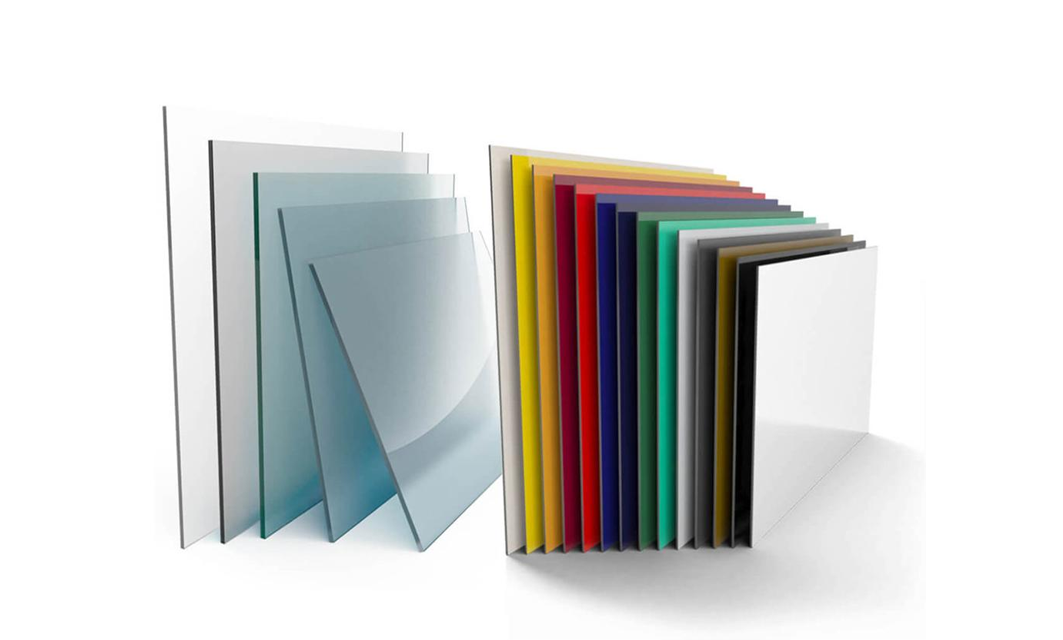
Confirm thickness, surface properties and machine compatibility.
Confirm print adhesion, surface quality, board flatness, folding performance, and structural suitability using actual production materials.
Prepare artwork, dimensions, and structural dielines.
Select and inspect compatible materials.
Print approved graphics with DREAMS 120.
Convert printed sheets into display panels.
Fold, glue, and assemble the display structure.
Check print quality, dimensions, and structural stability.
Support smaller orders and multiple artwork versions.
Print directly on suitable flat board materials.
Produce panels within the supported print area.
Change designs without conventional plate changes for each version.
Evaluate output using actual production conditions.
Connect printing with suitable downstream finishing.
Evaluate the total cost per finished display, not only the printing cost.
Inspect print quality and the performance of the assembled display.
| Evaluation Factor | DREAMS 120 Digital UV | Conventional Printing |
|---|---|---|
| Artwork Changes | Flexible digital artwork changes. | May require additional prepress or plate preparation. |
| Short Promotional Runs | Can reduce plate-related setup requirements. | Setup costs may affect short-run economics. |
| Multiple Versions | Supports different approved artwork files. | May involve additional preparation and setup. |
| Direct Board Printing | Suitable validated flat materials. | Depends on the selected process and board construction. |
| Large-Format Panels | Published print format: 2440 × 1250 mm. | Depends on equipment and process. |
| Finishing | Requires suitable downstream operations. | Also requires appropriate finishing and assembly. |
It is the printing of graphics for retail display structures, including floor displays, countertop displays, shelf-ready packaging, and POP/POS displays.
It can be evaluated for compatible cardboard and board materials. Suitability depends on the liner, surface, flatness, and required print quality. Production material testing is recommended.
The published printing area is 2440 × 1250 mm. Confirm the selected configuration and sheet-handling requirements for your application.
Published information references up to 600 m²/h and approximately 17 seconds per standard sheet. Actual output depends on print mode, artwork, material, and handling conditions.
Digital printing can support different designs without conventional plate changes for each version. Overall efficiency depends on quantity, setup, and finishing requirements.
These materials require application-specific verification. Test print adhesion, surface quality, and handling performance before production.
No. It is a flatbed printing system. Cutting, creasing, folding, gluing, and assembly require suitable downstream processes or equipment.
Compare a representative job with your existing process, including printing time, material waste, labor, finishing, and total cost per accepted finished display.


